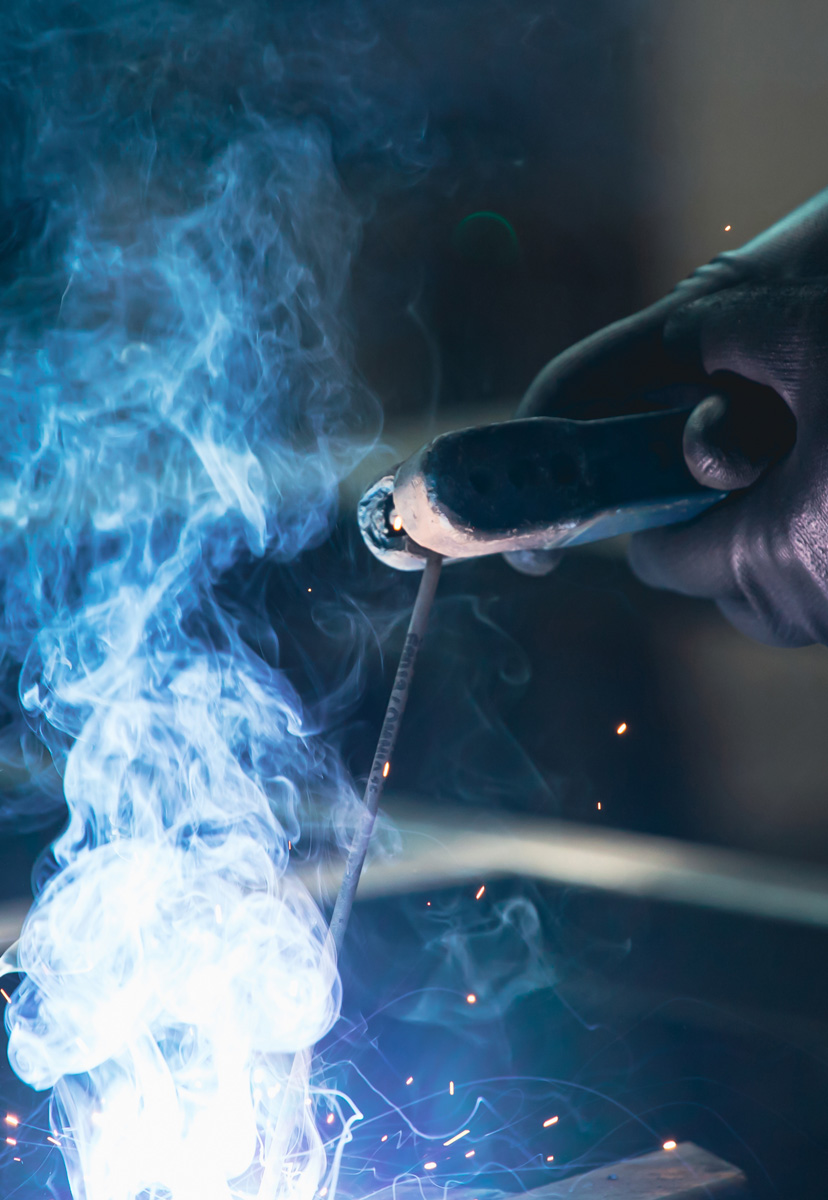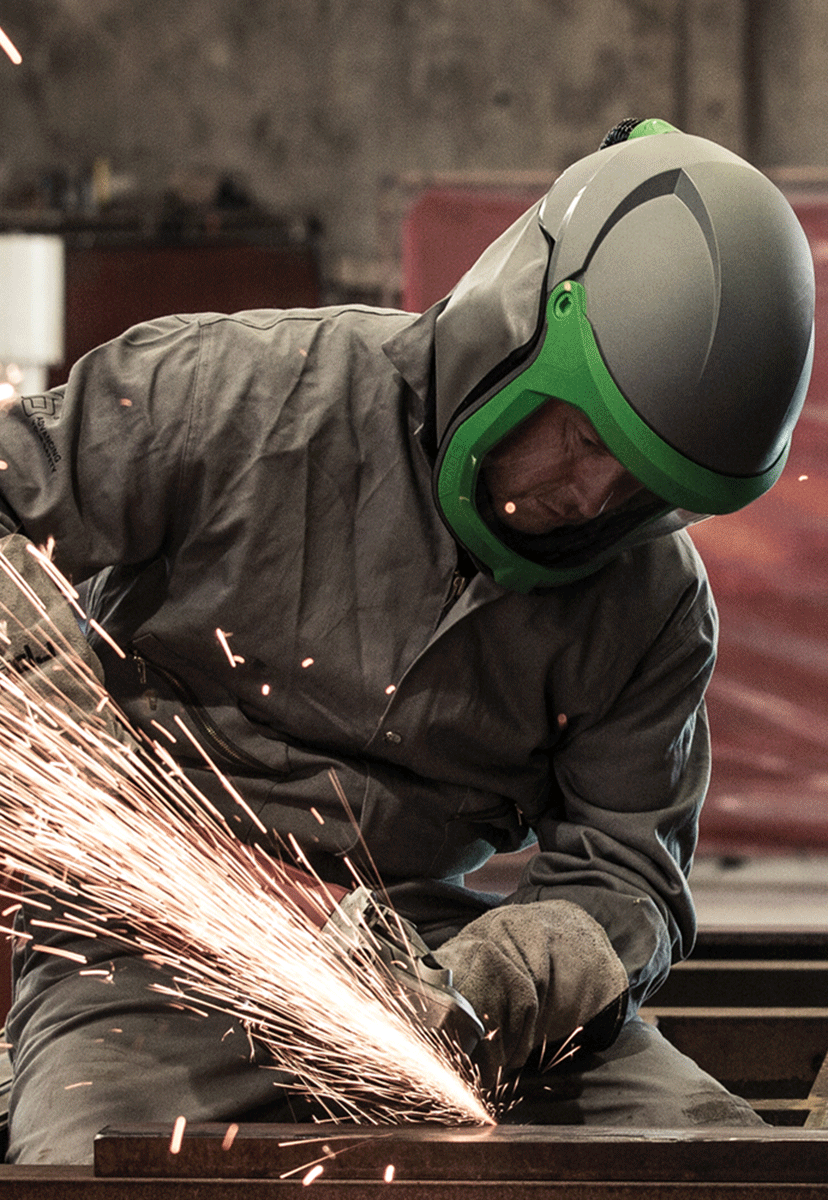
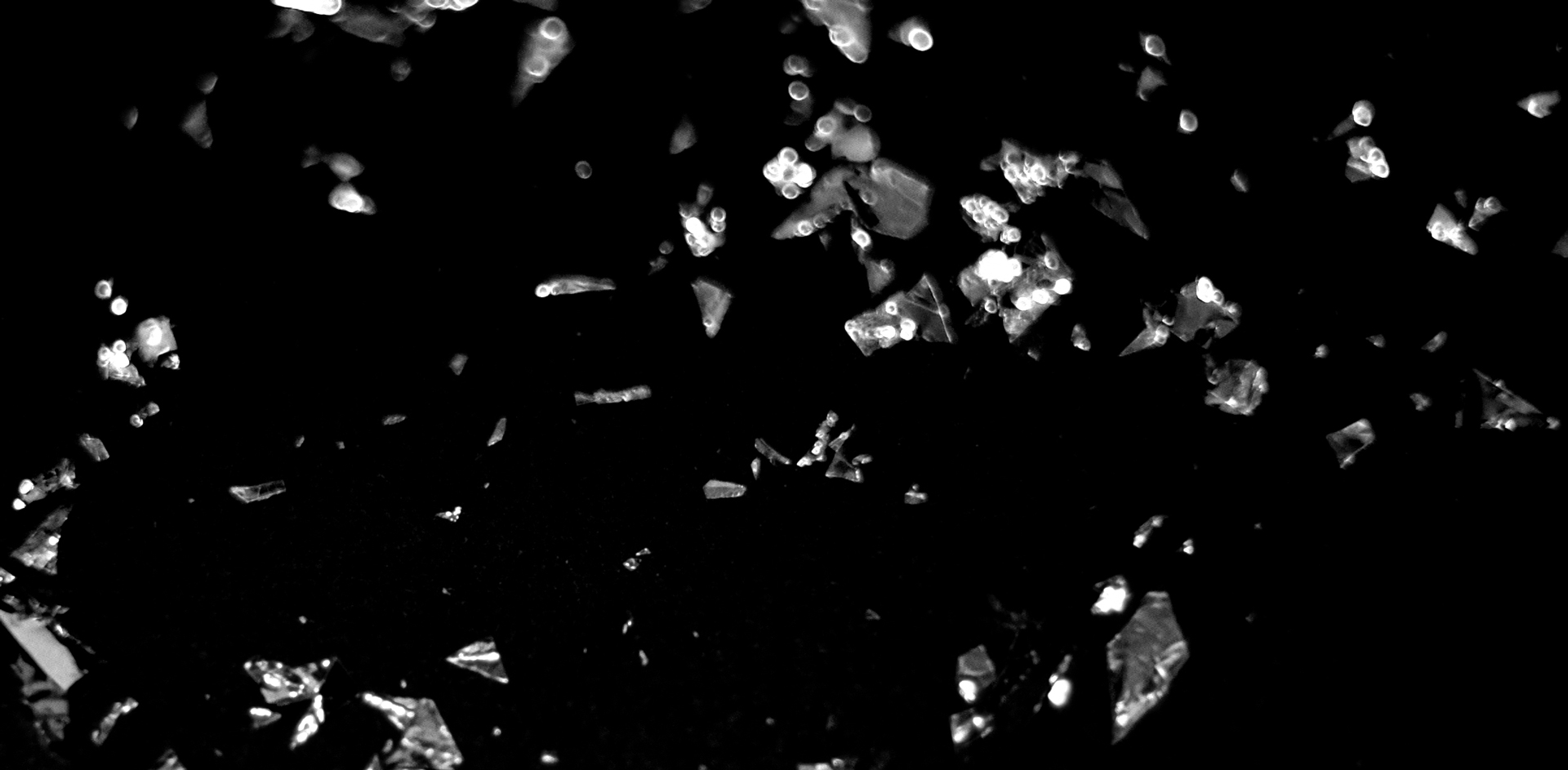
Crystalline silica is a naturally occurring mineral found in soil, stone, sand, and many construction materials like brick, mortar, and concrete. While it’s a common part of our environment, it becomes a serious health hazard when materials containing silica are cut, ground, or drilled, releasing fine, respirable particles into the air.
Why Should You Care About Respirable Silica?
When these tiny particles are inhaled, they can cause severe and sometimes fatal health issues. The construction industry is particularly at risk, with over 2.3 million workers exposed in the U.S. alone. But exposure isn’t limited to construction, industries like foundries, dental labs, shipyards, and even jewelry making are affected.
Health Risks Include:
- Silicosis: Permanent lung damage caused by fibrotic nodules and scarring, leading to difficulty breathing and, in severe cases, death.
- Tuberculosis: Increased risk for those with silicosis.
- Chronic Obstructive Pulmonary Disease (COPD)
- Kidney Disease
- Lung Cancer
The effects of crystalline silica exposure are cumulative and may not become apparent for up to 10 years, making prevention and protection critical.
Global Regulatory Snapshot: Respirable Crystalline Silica (Rcs)
This section integrates key regulatory standards and recommended limits across selected jurisdictions. Values are expressed as 8-hour time-weighted averages (TWA) unless otherwise specified.
1. United States (OSHA & NIOSH) Regulatory Standards: OSHA silica standards cover general industry, construction, maritime, and hydraulic fracturing. Permissible Exposure Limit (PEL): 50 µg/m³ (0.05 mg/m³). Action level: 25 µg/m³. Employers must assess exposures, implement engineering controls (e.g., wet cutting, ventilation), provide respirators when controls are insufficient, limit access, document controls, and offer medical surveillance and worker training. MSHA standards are evolving toward similar limits and surveillance. Guidelines vs. Recommended Limits: ACGIH recommends a lower TLV of 0.025 mg/m³ (non-binding).
2. European Union and Member States EU Level Binding Limits: Binding OEL (BOELV) for RCS: 0.1 mg/m³ under Directive 2017/2398 (minimum standard for member states). National Implementation: Some member states adopt more protective limits, e.g., Finland: 0.05 mg/m³; Netherlands: 0.075 mg/m³; Portugal: 0.025 mg/m³. Employers must conduct risk assessments, implement engineering/administrative controls, and provide health surveillance in line with carcinogen directives and workplace safety laws.
3. United Kingdom COSHH Requirements: Under COSHH, employers must assess and control exposure to hazardous substances including silica. UK Workplace Exposure Limits (WELs) typically align with ~0.1 mg/m³ for respirable crystalline silica. Requirements include risk assessment, appropriate controls, health surveillance and training.
4. Australia Workplace Exposure Standard: National WHS standard for RCS: 0.05 mg/m³. Employers must manage risk via the hierarchy of controls. Engineered Stone Ban: From July 1, 2024, Australia banned engineered stone products to curb silicosis and reduce exposure.
5. Canada Provincial Variability: Exposure limits vary by province. Example: British Columbia sets 0.025 mg/m³ for RCS, with requirements for controls and surveillance. Other provinces and the federal government often reference ACGIH TLVs or similar protective values.
Summary of Selected Exposure Limits (8-hour TWA):
- OSHA (US): 0.05 mg/m³
- ACGIH (TLV, recommended): 0.025 mg/m³
- EU Binding OEL; UK WEL: ~0.1 mg/m³
- Australia: 0.05 mg/m³
- British Columbia (Canada): 0.025 mg/m³
Employers Must:
- Measure silica exposure levels.
- Provide protection if exposure exceeds 50 µg/m³.
- Limit access to high-exposure areas.
- Implement dust control measures and provide respiratory protection.
- Develop a written exposure control plan and offer regular medical exams for exposed workers.
How Can You Limit Exposure?
- Use water to control dust (e.g., wet cutting, slurry blasting).
- Install dust extraction systems to remove airborne particles.
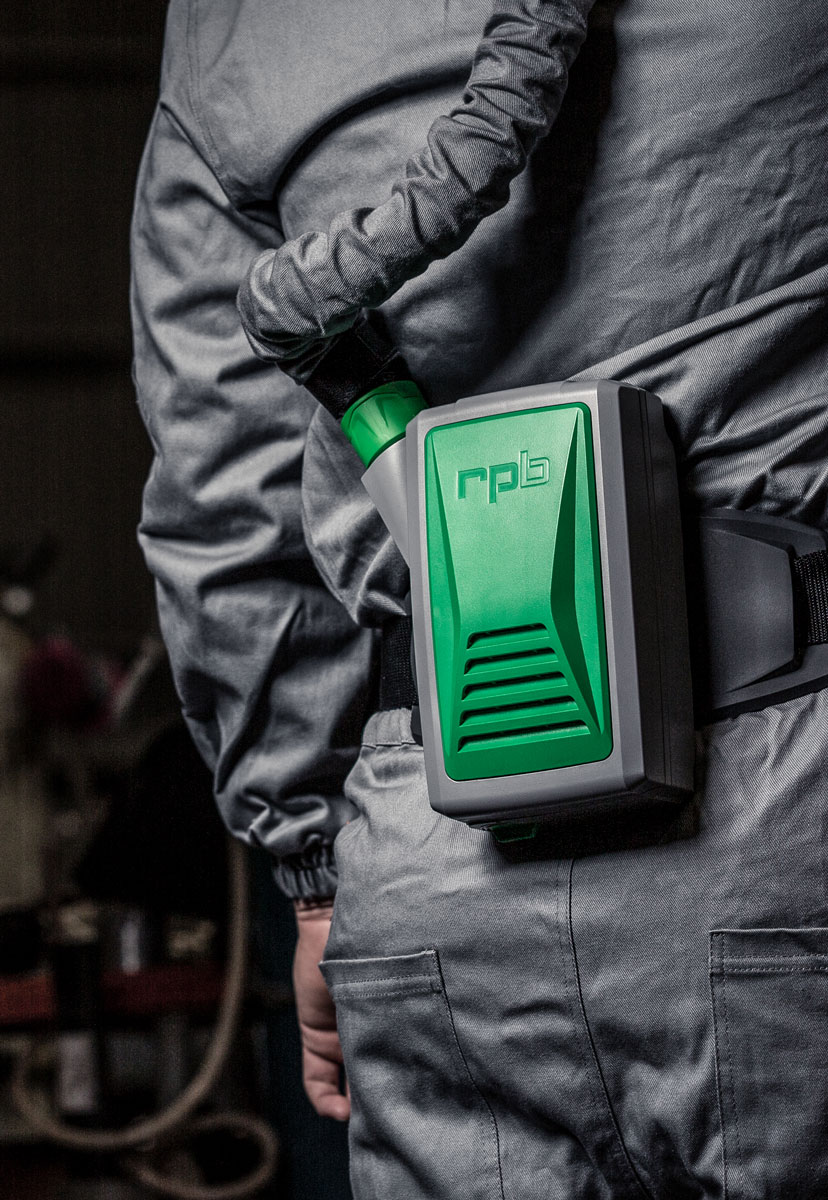
- Wear appropriate respirators: Choose between tight-fitting (requires a seal and fit-testing) and loose-fitting (positive pressure, powered air supply) options, depending on your work environment and needs.
Choose Your Protection And Stay Informed
Understanding the risks of crystalline silica and taking proactive steps to protect yourself and your team is essential. Whether you’re an employer or a worker, knowing your environment and the right protective measures can make all the difference. For more info contact [email protected].
Want to learn more?
Download the full white paper, “Crystalline Silica: What does it mean for you?”
for an in-depth look at the science, regulations, and best practices for silica
safety.