Welding is a critical industrial process, but it also exposes workers to one of the most serious and often underestimated occupational hazards: welding fumes. Although the risks are not always immediately visible, scientific evidence shows that long-term exposure can have severe consequences for human health. The reclassification of welding fumes by the International Agency for Research on Cancer (IARC) as a Group 1 carcinogen highlights the need for effective prevention and protection measures in all welding environments.
What Are Welding Fumes?
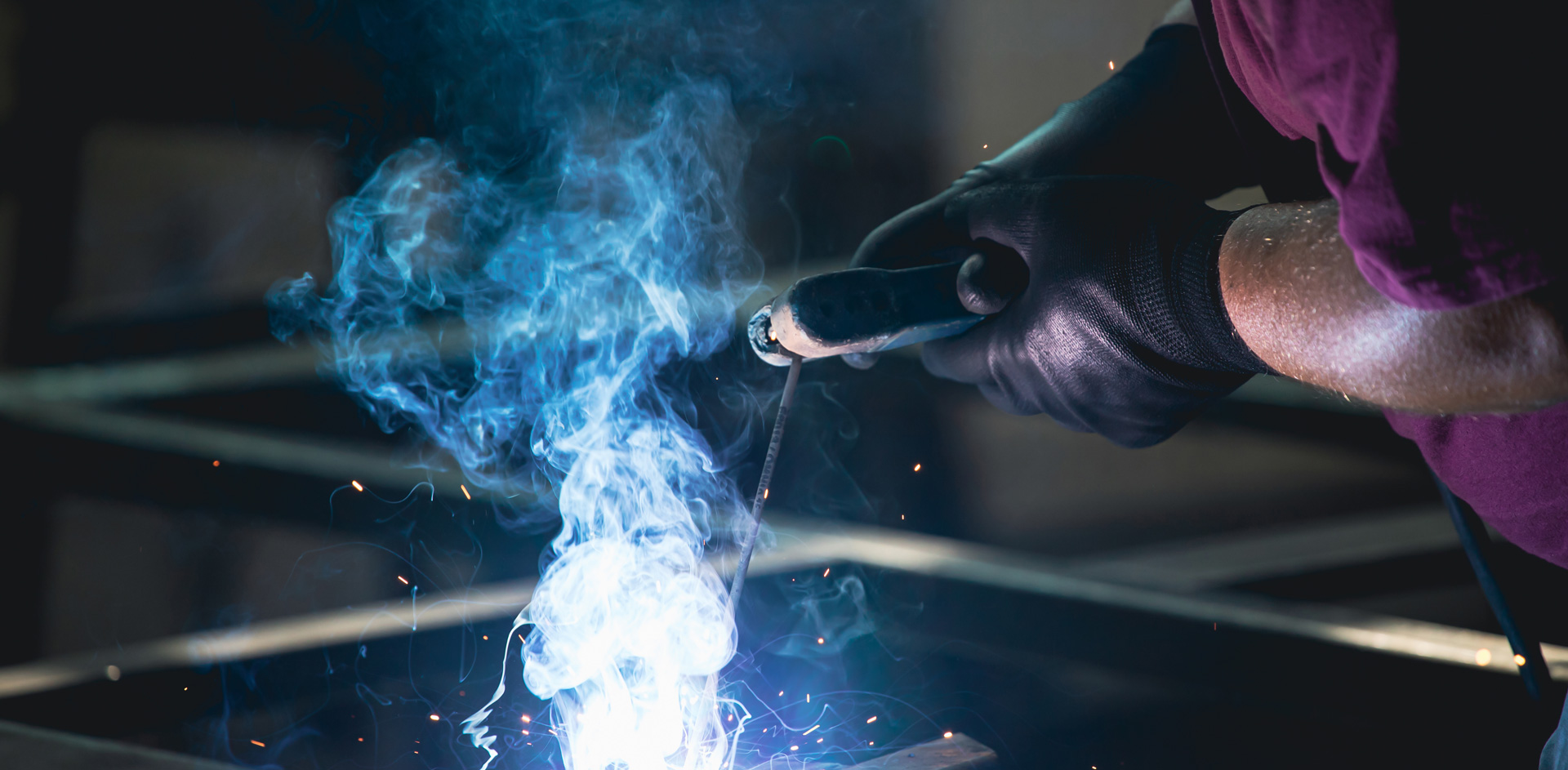
Welding fumes are a complex mixture of ultra-fine airborne particles and gases generated during welding processes. Due to their microscopic size, these particles behave like smoke and can be easily inhaled if not properly controlled. Their composition varies depending on materials and techniques, but generally includes two main components.
Metal particulates
Welding produces extremely fine metal dust particles - approximately 0.0001 mm
in size - capable of penetrating deep into the respiratory system. These
particles may contain hazardous metals such as aluminum, chromium, nickel,
manganese, cadmium, lead, iron and zinc, many of which are toxic or
carcinogenic.
Gases
Welding can also generate harmful gases, including carbon monoxide, nitrogen
dioxide, ozone and hydrogen fluoride. In confined or poorly ventilated spaces,
these gases can rapidly reach dangerous concentrations.
Why Are Welding Fumes Dangerous?
Welding fumes and gases can easily enter the respiratory system, causing both immediate and long-term health effects. In many cases, damage develops gradually and without early symptoms, making prevention essential.
Exposure to welding fumes has been linked to serious conditions such as:
- Cancer, particularly of the lungs, larynx and urinary tract
- Chronic lung diseases, including emphysema
- Kidney failure associated with cadmium and lead exposure
- Neurological disorders such as manganism
- Metal fume fever with flu-like symptoms
- Respiratory irritation and worsening of asthma
These risks underline why welding fumes must always be managed in accordance with the latest standards, regulations and best practices.
Prevention Starts with Awareness and Protection
Reducing exposure to welding fumes is essential to protecting workers’ health and ensuring regulatory compliance. Effective prevention combines risk awareness, engineering controls, and appropriate personal protective equipment (PPE) to limit the inhalation of harmful particles and gases. Understanding the risks is the first step toward creating safer workplaces for those who perform this vital work every day.
Download the Full White Paper
This article provides a brief overview of the risks associated with welding fumes. For a deeper insight into the topic - including scientific background, health implications and key considerations for protection - we invite you to download the complete GVS white paper.